American Summer Camp Jobs Explained
If you've ever wondered what sort of jobs exist at American summer camps, the answer is more interesting than you might expect.
You could spend your summer teaching children to sail, coaching a sport you've played since primary school or supervising a cabin of campers who have developed a remarkable ability to lose their belongings within minutes of arriving.
There are jobs for musicians, lifeguards, football players and people who can persuade a room full of children to listen.
And then there are the more unusual positions. Trapeze instructors, magicians, horse riding specialists. Even people who know how to build and launch rockets.
American summer camps employ thousands of international staff every year, and you don't need to have worked with children before to be considered for many positions.
There are three main types of roles worth understanding before you apply.
1. General Camp Counsellor
The Person Who Knows Where Everyone's Shoes Are
A general camp counsellor is responsible for a group of campers throughout the summer.
At a residential camp, you'll usually live in a cabin with your group, help them get ready each morning and accompany them through their daily activities.
You'll become familiar with their personalities surprisingly quickly. You'll know who needs reminding to drink water, who gets homesick at bedtime and who has been wearing the same T-shirt for three days, with an entire suitcase of clean clothes sitting untouched.
You'll also become involved in the smaller dramas of camp life. Two campers who were inseparable yesterday are no longer speaking. Someone's convinced their parents forgot to pack their toothbrush. Another has decided they're absolutely never going swimming again, having thoroughly enjoyed it the day before.
A good counsellor learns when to intervene and when to let children work things out themselves.
It's a job that comes with real responsibility. You're looking after other people's children, often while they're spending their first extended period away from home.
But you'll also get to see them settle in. The camper who barely spoke during the first week might be leading the cabin chant by the third. Someone who refused to try an activity might end up asking to do it again.
And you'll have been there for all of it.
Would You Make a Good General Counsellor?
General counsellors come from all sorts of backgrounds. Some have worked with children for years. Others arrive with experience from coaching younger siblings' sports teams, babysitting or volunteering.
What matters is that you enjoy being around children, can take responsibility and are prepared for the fact that your day won't always go to plan.
Being outgoing helps, but being the loudest person in the room isn't a requirement. Sometimes the camper who isn't joining in needs someone who notices rather than someone who makes a speech about teamwork.
If you're a good all-rounder and enjoy getting to know people, this could be the role for you.
2. Activity Specialist
Your Very Specific Talent Might Finally Pay Off
Perhaps you've spent the better part of your life playing tennis. You've endured early morning training sessions, lost matches you were convinced you'd win and developed an opinion about racket strings that nobody outside your club wants to hear.
Well, there's a summer camp in America that might be very interested in all of that.
Activity specialists teach campers a particular skill, sport or creative subject.
Unlike general counsellors, who usually spend most of their day with the same group of children, activity specialists typically teach different groups as they rotate through scheduled sessions.
You'll plan lessons, demonstrate techniques and adapt what you're teaching depending on the campers' abilities.
And while you might be very good at your chosen activity, you'll quickly discover that doing something well and explaining how to do it to a nine-year-old are two very different skills.
What Activities Can You Teach?
Sports
Football, basketball, tennis, golf, hockey, gymnastics, fencing and plenty more.
You could be helping a beginner learn the rules of a game you've played since childhood, or coaching campers who already have a fair bit of experience.
One session might be spent teaching basic footwork. The next could involve refereeing a match where a disputed goal has escalated into a full-scale investigation, complete with witnesses and several conflicting accounts.
Waterfront and outdoor adventure
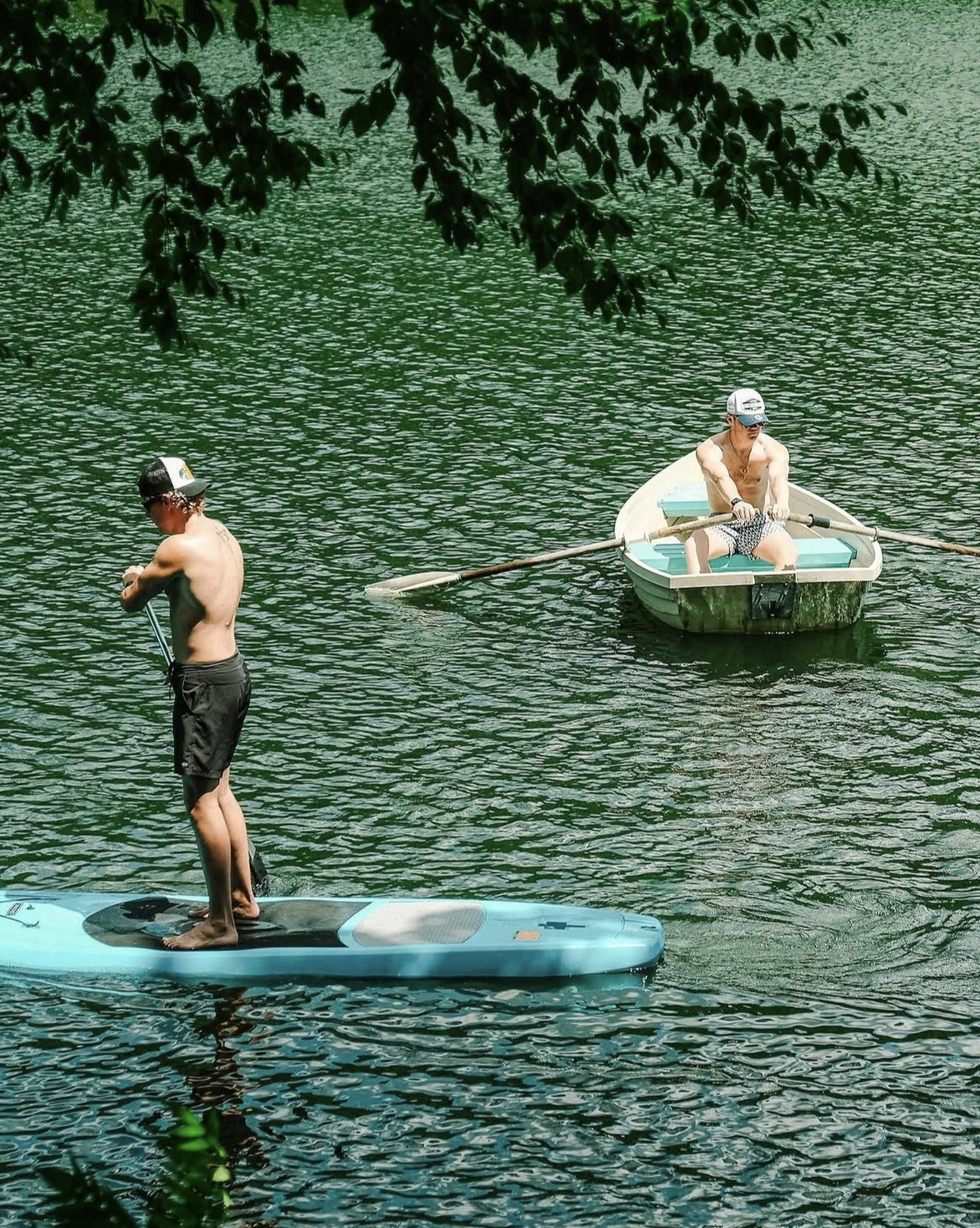
If you'd rather spend your summer beside a lake than inside a classroom, there are opportunities in sailing, kayaking, canoeing, wakeboarding, waterskiing and lifeguarding.
Camps also employ instructors for climbing, archery, hiking and outdoor education.
Waterfront jobs are very popular, although certain positions require relevant certifications or demonstrated experience.
One summer, while working as a boat driver and teaching wakeboarding, I watched a young camper take a nasty fall on his first attempt. He decided there and then that wakeboarding wasn't for him, and for weeks, nothing could persuade him otherwise
Then Parents' Visiting Day started getting closer.
His older brother was coming, along with his parents, and he wanted to impress them. So, after weeks of refusing, he decided to give wakeboarding another go.
By the end of the afternoon, he'd got the hang of it.
When his family arrived, he couldn't wipe the smile off his face.
Sometimes teaching an activity has very little to do with how good you are at it yourself. It's about knowing when someone needs a little encouragement to try again.
Arts and creative activities
Summer camps aren't exclusively interested in people who can throw, catch or swim.
There are roles teaching photography, music, dance, ceramics, drama, cooking and woodwork.
Some camps even offer circus skills, magic, videography and rocketry.
If you've spent years learning an instrument, taking dance classes or making things in your spare time, there's a good chance those skills could be useful at camp.
The wonderful thing about teaching a creative activity is that you're often introducing children to something they've never tried before. Some will approach the pottery wheel with great enthusiasm and absolutely no understanding of how it works.
By the end of the session, they're asking whether they can take their slightly lopsided creation home.
Do You Need Qualifications?
For many activity specialist positions, formal qualifications aren't necessary.
Experience matters, though.
If you've played football for years, taken regular dance lessons or developed a skill through practice, you may already have enough experience to teach beginners.
Other roles have stricter requirements, especially those involving water safety or specialist equipment.
You'll also need to be comfortable working with children. Being an excellent swimmer doesn't automatically make someone an excellent swimming instructor.
And depending on your camp, you may have cabin responsibilities alongside your activity sessions.
So yes, you might spend your afternoon teaching wakeboarding and your evening reminding someone that wet towels don't belong under a mattress.
3. Additional Needs Counsellor
Helping Make Camp Work for Everyone
Not every camper experiences summer camp in the same way.
Some children need additional support with communication, mobility or everyday activities. Others may need help adjusting to unfamiliar routines or participating in particular parts of camp life.
Additional needs counsellors provide that support.
Some work at specialist camps for children or adults with disabilities. Others work within inclusive camp programmes.
Your responsibilities will depend on the camp and the individuals you're supporting. You might be helping a camper participate in swimming, adapting an activity to suit their abilities or assisting with personal care where the role requires it.
Much of the job involves getting to know the person you're working with.
You learn what they enjoy, how they communicate and what helps them feel comfortable. You also learn when your assistance is useful and when it's better to stand back.
Because the point isn't to do everything for someone.
It's to help them take part in camp in a way that works for them.
And camp is still camp. There are activities to try, friendships to make and traditions that everyone takes far more seriously than anyone outside camp could reasonably understand.
Who Is This Role Suited To?
If you're patient, observant and interested in working with people who have different support needs, this could be a good fit.
Previous experience in disability support, education or healthcare can be valuable. Some positions require particular training or qualifications, while others provide training suited to the role.
It's important to understand what a particular position involves before accepting it. Additional needs counselling can include substantial responsibilities, and the support required varies from person to person.
For someone who enjoys building relationships and adapting to different people's needs, it can be an especially interesting way to spend a summer.
Which American Summer Camp Job Is Right for You?
There's no great mystery to choosing a camp job, although it helps to think about what you'd actually enjoy doing every day.
If you love working with children and want to be closely involved in their everyday camp experience, general counselling is worth considering.
If you've spent years developing a skill, an activity specialist position could give you the chance to put it to use.
And if you're interested in supporting campers with disabilities or additional needs, there are opportunities to work in more specialised roles.
Of course, these aren't necessarily rigid categories. A football coach might also look after a cabin. A general counsellor might help run activities. The responsibilities vary from camp to camp.
You might even find that the job you end up doing isn't the one you originally imagined.
That's part of why finding a good match matters.
At AmeriCamp NZ, we look at your experience, interests and availability to help find a position at one of our partner camps in America.
You don't need to arrive with an extraordinary CV. But you do need to be willing to work hard, take responsibility and spend a good portion of your summer with children who may have more energy than you've ever encountered in another human being.
The rest, you'll learn at camp.
AmeriCamp NZ is run by International Working Holidays, with a team based in Auckland and more than 24 years of experience helping Kiwis find their place at summer camps across the USA. You can start your application for free, and our team will be here to help from your first questions to your flight home
More Than a Lifeguard Job at Summer Camp
The Summer Camp Job That Changed My Direction